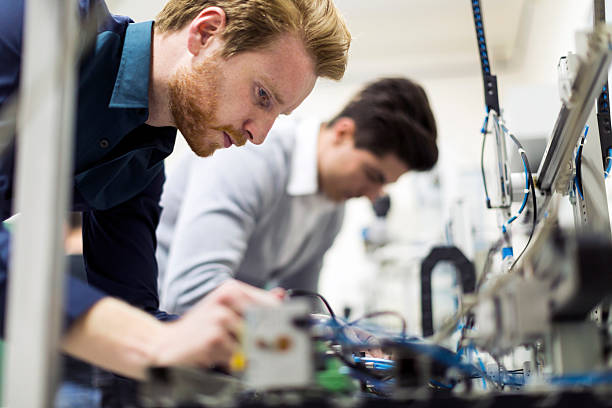
In today”?s rapidly evolving technological landscape, embedded systems have become the cornerstone of numerous innovative applications. From the automation of everyday household gadgets to the advanced capabilities of vehicular systems, embedded systems development is pivotal in transforming ideas into tangible solutions. These systems integrate hardware and software to perform specific tasks, playing an integral role in industries ranging from automotive to telecommunications. Harnessing the potential of embedded systems can lead to groundbreaking advancements in efficiency, functionality, and user experience.
The Essence of Embedded Systems
Embedded systems are specialized computer systems that are dedicated to performing predefined tasks. Unlike general-purpose computers, these systems are engineered to fulfill specific functionalities, often within larger systems. They are characterized by:
- Real-time operation capabilities
- Efficient resource usage
- Reliability and stability
- Compact and purpose-built design
For an in-depth understanding of embedded systems and their applications, explore advanced guides and tips that provide a comprehensive overview of their role in modern technology.
Applications and Benefits
Automotive Industry
In the automotive sector, embedded systems are crucial for enhancing safety, efficiency, and comfort. They are integral to systems such as:
- Anti-lock braking systems (ABS)
- Airbag control mechanisms
- In-vehicle infotainment systems
- Advanced driver-assistance systems (ADAS)
Such innovations not only improve vehicle performance but also significantly boost user satisfaction by providing a safer driving experience. Discover expert strategies here for integrating embedded systems into automotive solutions.
Healthcare Technology
Embedded systems are revolutionizing healthcare by facilitating remote monitoring and diagnostics. Their applications include:
- Wearable health monitoring devices
- Medical imaging systems
- Automated insulin delivery systems
These systems improve patient care and operational efficiency in healthcare facilities by enabling real-time data collection and analysis. Learn about our tailored solutions for implementing these technologies in healthcare.
Challenges in Development
Developing embedded systems presents unique challenges due to their complexity and the need for optimization. Some common challenges include:
- Ensuring real-time performance
- Managing power consumption
- Maintaining system security and reliability
- Integrating with existing systems
Addressing these challenges requires a strategic approach and expertise in system design and implementation. Find out more about this approach to overcome these hurdles effectively.
The Future of Embedded Systems
As technology continues to advance, the future of embedded systems looks promising. Emerging trends such as the Internet of Things (IoT), artificial intelligence (AI), and machine learning are set to further expand the capabilities and applications of embedded systems. These innovations will lead to smarter and more adaptable systems that can anticipate and respond to user needs with unprecedented precision.
The continuous evolution of embedded systems signifies an exciting era for industries worldwide, poised to unlock new potentials and drive transformative changes. Explore advanced guides and tips to stay ahead in this dynamic field.
About the Author