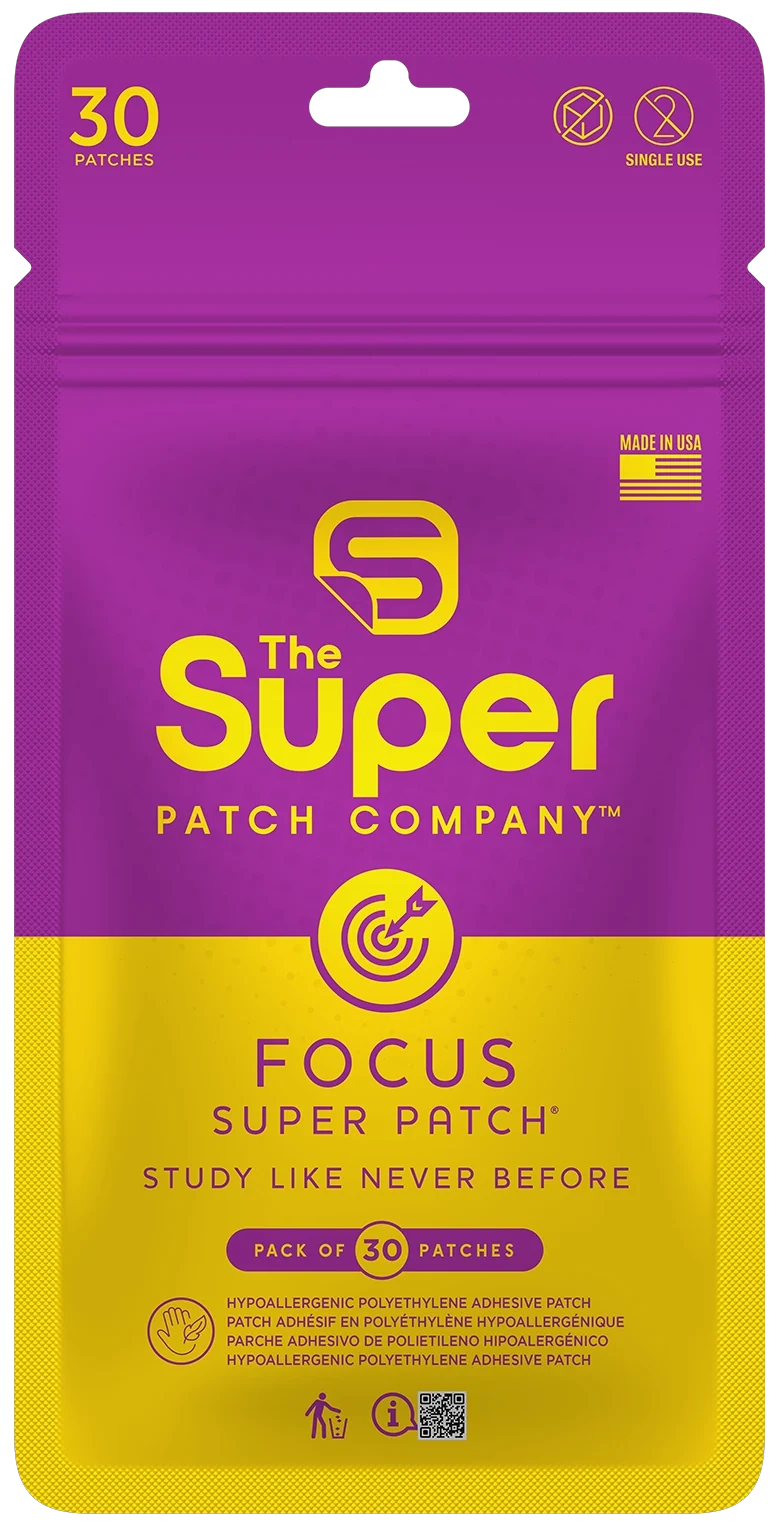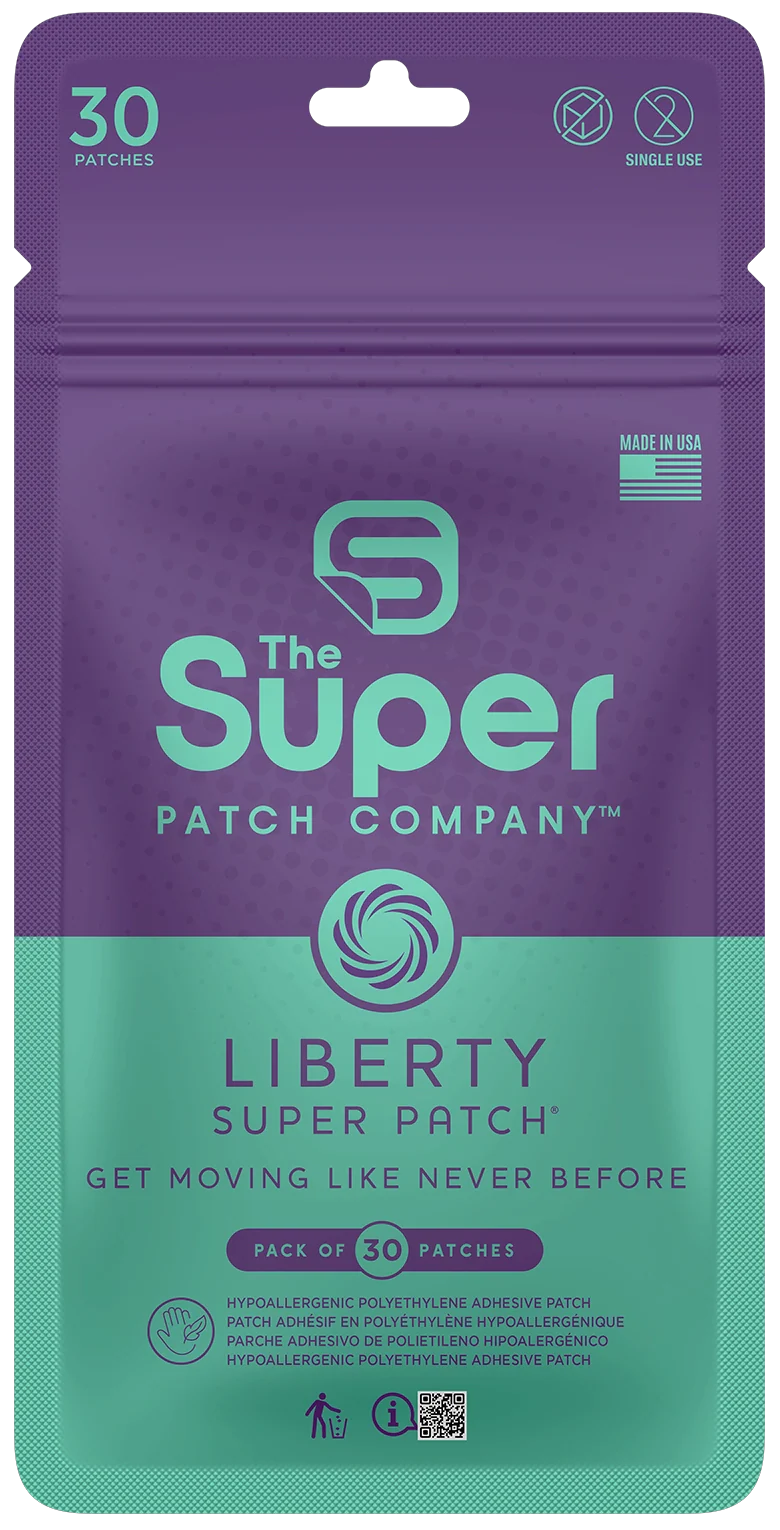
Back pain is a common ailment that affects millions worldwide. The discomfort and limitations caused by back pain can significantly impact one”?s quality of life. Fortunately, advancements in medical technology have made it possible to manage this pain effectively with non-invasive methods, such as back pain patches. These patches offer a convenient and effective way to alleviate discomfort without the need for oral medication or invasive procedures. This guide will explore the key considerations when choosing the right back pain patch, ensuring that you make an informed decision that supports your well-being.
Understanding Back Pain Patches
Back pain patches are topical treatments designed to deliver relief directly to the area of pain. They work by releasing active ingredients through the skin to target pain at its source. There are various types of patches available, each catering to different levels of pain and specific needs.
Types of Back Pain Patches
- Heat Therapy Patches: These patches provide soothing heat to relax muscles and increase blood flow, which can help alleviate pain caused by muscle tension or spasms.
- Cooling Patches: Ideal for reducing inflammation and numbing pain, cooling patches are often used for acute injuries or inflammation.
- Medicated Patches: These contain active pharmaceutical ingredients such as lidocaine or capsaicin, which help to block pain signals.
- Herbal Patches: Made with natural ingredients like menthol or camphor, these patches offer a holistic approach to pain relief.
Factors to Consider When Choosing a Back Pain Patch
Selecting the right back pain patch involves assessing several factors to ensure the product meets your specific needs.
Severity and Type of Pain
The first step in choosing a suitable patch is to understand the nature of your pain. Is it chronic or acute? Does it stem from muscle strain or nerve issues? Identifying these details will help in selecting a patch that aligns with your specific condition.
Ingredients and Allergies
- Check the active ingredients in the patch. Ensure they are suitable for your condition and that you are not allergic to any of them.
- If you have sensitive skin, opt for patches labeled as hypoallergenic.
Duration of Relief
- Consider how long the patch provides relief. Some patches offer extended relief for up to 12 hours or more, while others may need to be replaced more frequently.
Ease of Use
- Choose a patch that is easy to apply and remove. This can be particularly important if you are using the patch on a regular basis.
Advantages of Using Back Pain Patches
Back pain patches offer several advantages over traditional pain relief methods:
- Localized Treatment: They deliver medication directly to the affected area, minimizing systemic side effects.
- Non-Invasive: Unlike surgery or injections, patches are non-invasive and easy to use.
- Convenient: Patches are discreet and can be worn under clothing, allowing for continuous pain management throughout the day.
Conclusion
Choosing the right patches for pain relief can make a significant difference in managing back pain effectively. By assessing the type and severity of your pain, considering potential allergies, and understanding the duration of relief offered by different patches, you can select a product that best addresses your needs. Always consult with a healthcare professional if you are uncertain about which type of patch is right for you. With the right approach, back pain patches can be an essential tool in your pain management toolkit, helping you maintain a comfortable and active lifestyle.
About the Author