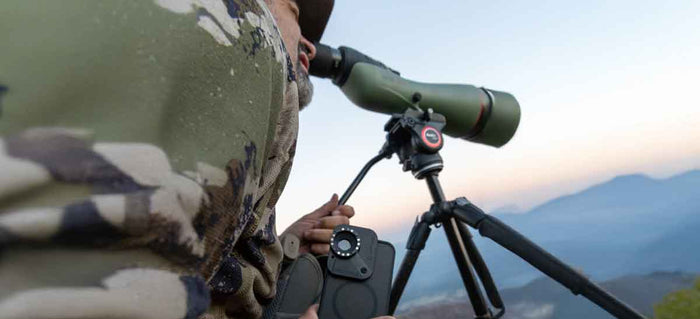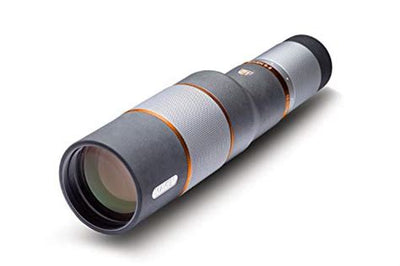
Digiscoping, the practice of attaching a digital camera or smartphone to a spotting scope, has become a staple technique for wildlife enthusiasts, birders, and field photographers seeking high-magnification images without the bulk of a dedicated telephoto lens. Among the many adapters on the market, the Vortex digiscoping adapter stands out for its robust construction, precise alignment, and ease of use. This article explores how to set up and maximize the Vortex adapter, compares it with other popular options, and offers practical tips for achieving sharp, well-exposed photos in the field.
Why Choose a Vortex Digiscoping Adapter?
The Vortex brand is renowned for optical quality and durable accessories. Their digiscoping adapter brings several advantages that make it a reliable choice for serious field work:
- Solid mechanical fit: The adapter clamps securely to Vortex spotting scopes without slipping, even in windy conditions.
- Precise optical alignment: Integrated rails keep the camera sensor centered over the eyepiece, reducing vignetting and distortion.
- Versatile mounting options: Compatible with DSLR cameras, mirrorless bodies, and most smartphones via a universal phone holder.
- Quick release mechanism: Allows fast attachment and detachment, essential when moving between observation points.
Preparing Your Equipment
Gather the Necessary Components
Before heading out, ensure you have the following items ready:
- Vortex spotting scope (e.g., Vortex Viper or Vortex Razor)
- Vortex digiscoping adapter
- Camera or smartphone with a stable mounting plate
- Cleaning cloth and lens wipes
- Optional: a small tripod or monopod for added stability
Check Compatibility
While the Vortex adapter is designed for Vortex scopes, many users pair it with adapters from other manufacturers for added flexibility. For instance, a kowa digiscoping adapter can be useful when working with Kowa optics, and a swarovski digiscoping adapter offers a comparable fit for Swarovski scopes. If a smartphone is the primary imaging device, a dedicated swarovski phone adapter may provide a slimmer profile.
Step-By-Step Setup Guide
- Attach the adapter to the scope: Align the adapter’s dovetail with the scope’s mounting rail. Tighten the locking screws until the adapter feels firm but does not overtighten.
- Mount the camera or phone: Place the camera’s rear plate onto the adapter’s mounting plate. For smartphones, slide the device into the phone holder, ensuring the screen faces outward for easy framing.
- Center the sensor: Look through the scope’s eyepiece and adjust the camera’s position until the reticle is centered in the viewfinder. This step eliminates off-axis distortion.
- Secure the connection: Lock the camera’s quick-release lever or tighten the phone holder’s clamp. Double-check that all screws are snug.
- Set focus and exposure: Use the scope’s focus knob to bring the subject into sharp focus. Switch the camera to manual focus if needed, and adjust ISO, shutter speed, and aperture based on lighting conditions.
- Test shot: Capture a test image, review it on the camera’s LCD, and make fine adjustments to alignment or focus as required.
Optimizing Image Quality
Even with perfect mechanical alignment, achieving high-quality digiscoped images requires attention to exposure, stability, and post-processing.
Exposure Settings
- ISO: Keep ISO as low as possible (typically 100-400) to minimize noise, especially when shooting birds in bright daylight.
- Shutter speed: Aim for at least 1/500 s for fast-moving subjects; increase speed in windy conditions to reduce motion blur.
- Aperture: Use a mid-range f-stop (f/5.6-f/8) to balance depth of field and sharpness.
Stability Techniques
- Lean against a stable object or use a monopod to reduce hand shake.
- Utilize the scope’s built-in tripod mount whenever possible.
- Consider a remote shutter release or smartphone timer to avoid camera movement.
Post-Processing Tips
- Crop minimally; the high magnification already provides a tight composition.
- Apply modest sharpening to counteract the slight softness introduced by the eyepiece.
- Adjust white balance to match the ambient light, especially in early morning or late afternoon shoots.
Comparing Vortex with Other Digiscoping Solutions
While the Vortex adapter excels in durability, it’s helpful to understand how it stacks up against alternatives.
- Zeiss digiscoping adapter: Known for premium optics, Zeiss adapters offer excellent alignment but can be heavier and pricier.
- Swarovski digiscoping adapter: Provides a sleek design and reliable performance, often favored by birders who already own Swarovski scopes.
- Kowa digiscoping adapter: A cost-effective choice for hobbyists, though it may lack some of the fine-tuning features found in Vortex.
Choosing the right adapter depends on the existing equipment, budget, and specific field requirements. For users who already own a Vortex scope, the vortex digiscoping adapter offers the most seamless integration.
Maintenance and Care
Regular maintenance ensures long-term performance:
- Wipe the adapter’s contact surfaces with a lint-free cloth after each use.
- Inspect the locking screws for wear; replace if threads become stripped.
- Store the adapter in a padded case to protect it from bumps and moisture.
Conclusion
Integrating a Vortex digiscoping adapter into a field photography workflow provides a reliable bridge between high-magnification optics and modern digital imaging. By following the setup steps, fine-tuning exposure, and maintaining the equipment, photographers can capture crisp, detailed images of distant subjects, whether tracking a raptor in flight or documenting distant landscape features. The adapter’s compatibility with other leading brands, such as a zeiss digiscoping adapter or a swarovski phone adapter, further expands its utility, making it a versatile addition to any serious digiscoping kit.
About the Author