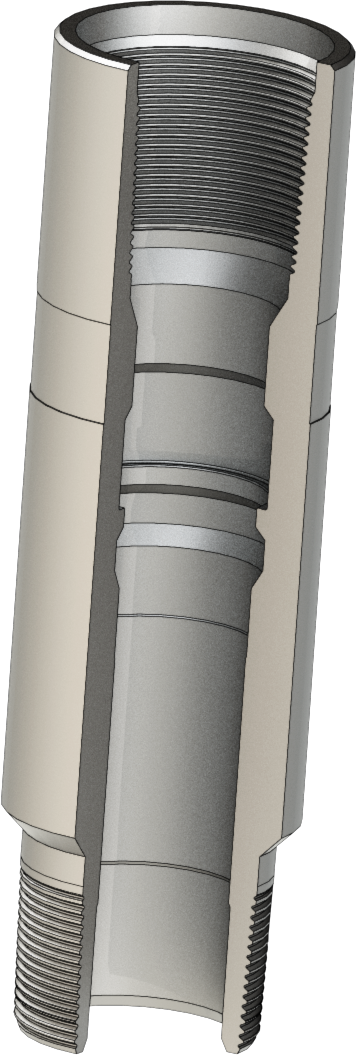
Subsurface drilling presents a multitude of challenges that can impact the efficiency and cost-effectiveness of drilling operations. The complexity of navigating geological formations, managing pressure, and ensuring equipment reliability requires advanced strategies and solutions. By leveraging cutting-edge technologies and methodologies, operators can enhance their drilling capabilities and overcome obstacles that arise during subsurface exploration. This article delves into various solutions and approaches that address common challenges in subsurface drilling, offering valuable insights for optimizing operations.
Understanding Subsurface Drilling Challenges
Geological Uncertainties
Geological formations are inherently unpredictable, posing significant challenges for drilling operations. Variations in rock hardness, fault lines, and unexpected gas pockets can disrupt drilling activities. Effective solutions include:
- Utilizing advanced seismic imaging to map subsurface formations.
- Implementing real-time data analytics to adapt to changing conditions.
- Conducting thorough pre-drilling surveys to minimize surprises.
Discover expert strategies here to enhance your understanding of geological intricacies and improve drilling outcomes.
Pressure Management
Managing wellbore pressure is crucial to prevent blowouts and ensure operational safety. Techniques to address pressure-related challenges include:
- Deploying managed pressure drilling (MPD) systems to maintain optimal pressure levels.
- Using high-quality drilling muds to stabilize pressure fluctuations.
- Regularly monitoring pressure sensors to detect anomalies early.
Learn about our tailored solutions to effectively manage pressure in subsurface drilling environments.
Enhancing Equipment Reliability
Equipment failure can lead to costly delays and safety hazards. To enhance reliability, consider the following strategies:
- Implement a rigorous maintenance schedule for all drilling equipment.
- Utilize advanced materials and technology to withstand harsh subsurface conditions.
- Conduct regular inspections and testing to identify potential issues before they escalate.
Explore advanced guides and tips for maintaining equipment reliability in challenging drilling environments.
Innovative Drilling Techniques
Directional Drilling
Directional drilling allows operators to reach targets that are not directly beneath the drilling rig. This technique offers several advantages, including:
- Increased access to difficult-to-reach reserves.
- Reduced environmental impact by minimizing surface disruption.
- Enhanced reservoir management through precise well placement.
Find out more about this approach to optimize the efficiency and effectiveness of directional drilling techniques.
Automation and Digitalization
The integration of automation and digital technologies in drilling operations can significantly boost efficiency and accuracy. Key benefits include:
- Improved data analysis capabilities for better decision-making.
- Reduced human error through automated processes.
- Enhanced safety and operational efficiency.
Discover expert strategies here to embrace digital transformation in subsurface drilling operations.
Subsurface drilling challenges require a comprehensive approach that leverages technology, expertise, and innovative techniques. By understanding the complexities of geological formations, managing pressure effectively, ensuring equipment reliability, and adopting advanced drilling methods, operators can significantly enhance their drilling capabilities. For more in-depth insights and strategies, Learn about our tailored solutions to optimize your drilling operations effectively.
About the Author