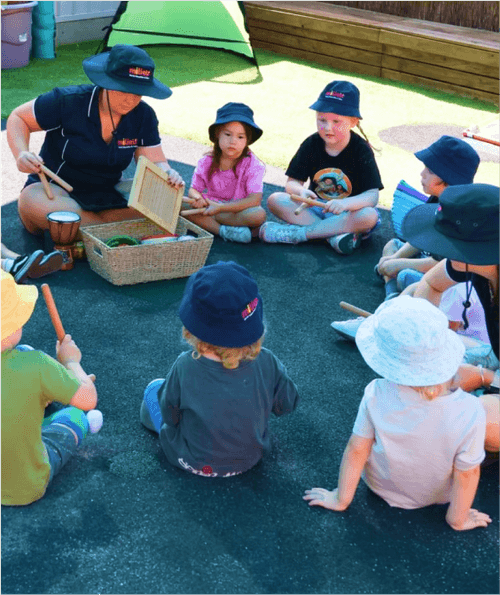
As parents prepare their children to embark on their educational journeys, ensuring they have the right foundation is crucial. A well-rounded school readiness program can set the stage for lifelong learning and success. These programs focus on developing key skills and attitudes that children need for a smooth transition into formal schooling, encompassing everything from social and emotional development to cognitive and physical growth. Understanding the benefits of such programs can help parents make informed decisions about their child’s early education.
Understanding School Readiness
School readiness is not just about academic knowledge. It involves a comprehensive set of skills and behaviors that prepare children to thrive in a school environment. Key aspects of school readiness include:
- Social and Emotional Skills: The ability to interact positively with peers and adults, manage emotions, and express needs appropriately.
- Language and Communication: Skills that enable children to understand and use language effectively, facilitating learning and social interactions.
- Cognitive Skills: Critical thinking, problem-solving, and the ability to focus and follow instructions.
- Physical Development: Fine and gross motor skills that support everyday activities and learning tasks.
Benefits of a School Readiness Program
Holistic Development
A school readiness program is designed to support the holistic development of a child. By addressing multiple areas of development, these programs ensure that children are not only academically prepared but also socially and emotionally ready for school.
Structured Learning Environment
Participating in a structured learning environment helps children become accustomed to routine and expectations similar to those in a school setting. This familiarity can reduce anxiety and help children adapt more easily when they start school.
Building Confidence and Independence
School readiness programs often focus on activities that build confidence and foster independence in children. By encouraging children to try new things and solve problems on their own, these programs lay the groundwork for a positive attitude towards learning.
Parental Involvement
These programs often involve parents in the learning process, providing them with tools and strategies to support their child’s development at home. Engaged parents can reinforce learning and help children apply new skills in real-world situations.
Choosing the Right Program
When selecting a school readiness program, consider the following factors to ensure it aligns with your child’s needs:
- Curriculum: Look for a program that offers a balanced curriculum focusing on all areas of development.
- Qualified Educators: Ensure that the program is led by experienced educators who understand early childhood development.
- Learning Environment: A nurturing and safe environment is essential for children to feel secure and motivated to learn.
- Parental Feedback: Seek recommendations and reviews from other parents to gauge the program’s effectiveness.
Investing in a school readiness program can provide children with the skills and confidence they need to succeed in school and beyond. By choosing a comprehensive program, parents can help their children develop a love for learning and prepare them for the challenges of formal education.
About the Author