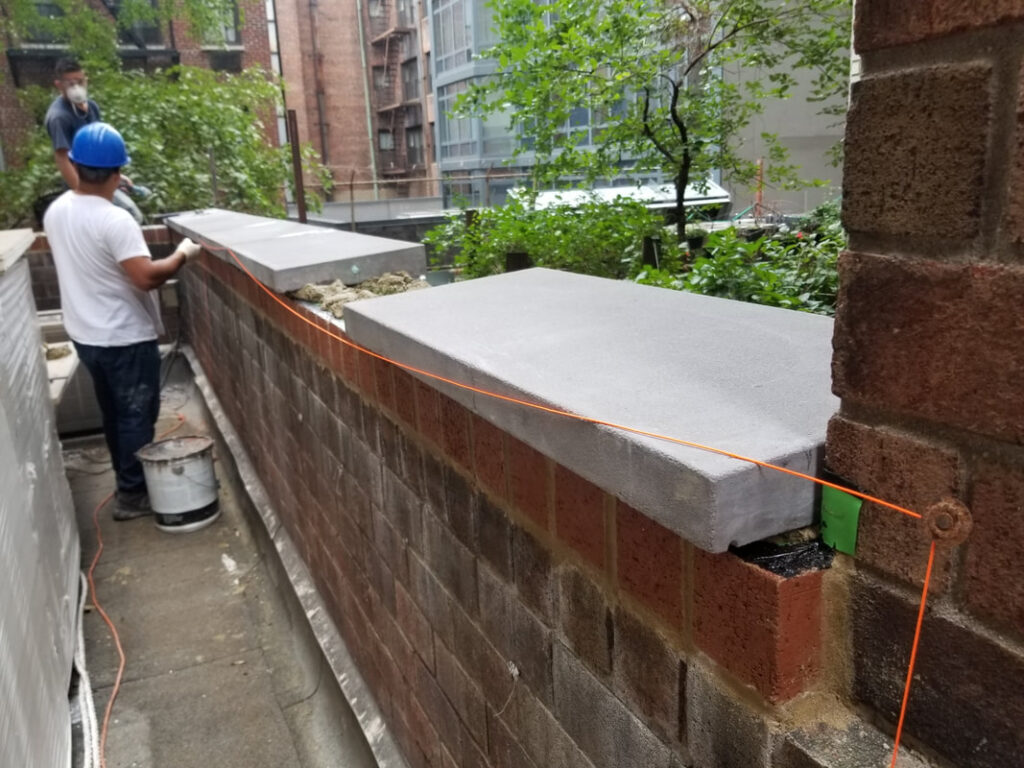
New York City, with its iconic skyline and diverse architectural styles, presents unique challenges when it comes to building maintenance and preservation. One of the most significant concerns is waterproofing, as buildings in this bustling metropolis are constantly exposed to varying weather conditions. Effective waterproofing is essential for maintaining structural integrity and ensuring the longevity of these buildings. Innovative waterproofing solutions are essential to address the specific needs of NYC’s architectural landscape. These solutions not only protect against water damage but also enhance energy efficiency and sustainability.
Understanding the Importance of Waterproofing in NYC Buildings
Waterproofing is crucial for several reasons:
- Prevention of water infiltration that can lead to structural damage.
- Protection against mold and mildew, which can affect the health of occupants.
- Enhancement of the building’s lifespan and value.
- Improvement in energy efficiency by reducing heat loss or gain.
Given the importance of these factors, it’s vital to implement state-of-the-art waterproofing techniques. Discover expert strategies here that address these concerns effectively.
Innovative Waterproofing Technologies
Advancements in technology have led to the development of innovative waterproofing solutions tailored to the needs of NYC buildings. These solutions include:
1. Liquid Applied Membranes
Liquid applied membranes are versatile and can conform to any surface shape. They are ideal for complex roof designs and areas with numerous penetrations. This technology offers seamless application, reducing the chances of leaks.
2. Self-Healing Materials
Self-healing waterproofing materials are at the forefront of innovation. These materials can automatically repair small cracks and punctures, thereby extending the lifespan of the waterproofing system. Learn about our tailored solutions that incorporate self-healing technology.
3. Green Roof Systems
Green roofs not only provide waterproofing but also offer environmental benefits. They help manage stormwater, reduce heat islands, and improve air quality. Green roof systems are becoming increasingly popular in urban settings like NYC.
Implementing Effective Waterproofing Strategies
For successful waterproofing, it?s essential to adopt a comprehensive approach that includes the following steps:
- Site Assessment: Conduct a thorough analysis of the building’s current condition and identify potential problem areas.
- Customized Solutions: Develop tailored solutions that address the specific needs of the building, considering factors such as age, design, and environmental exposure.
- Regular Maintenance: Implement a maintenance schedule to ensure the continued effectiveness of the waterproofing systems.
For more detailed strategies, explore advanced guides and tips that help in executing these steps effectively.
Benefits of Advanced Waterproofing Techniques
By adopting advanced waterproofing techniques, NYC buildings can enjoy numerous benefits:
- Increased durability and life expectancy of the building structure.
- Enhanced aesthetic appeal by preventing unsightly stains and damage.
- Improved indoor air quality by preventing mold growth.
- Cost savings on repairs and energy bills.
To fully realize these benefits, it is crucial to select the right materials and techniques. Find out more about this approach and how it can be applied to different types of buildings.
Conclusion
The dynamic environment of New York City requires innovative and effective waterproofing solutions to protect its architectural heritage and modern structures alike. By leveraging cutting-edge technologies and comprehensive strategies, buildings can achieve resilience against water damage, enhance their energy efficiency, and extend their lifespan. For those involved in building maintenance and construction, staying informed about the latest developments in waterproofing is essential. Visit https://nueranyc.com/ to learn more about these innovative solutions and how they can be implemented to meet the unique challenges of NYC’s buildings.
About the Author