Cataracts are a common condition affecting millions of individuals worldwide, significantly impacting vision by clouding the lens of the eye. As the population ages, the prevalence of cataracts is expected to rise, making it crucial to understand the available treatment options. Modern cataract treatments have evolved significantly over the years, offering patients improved outcomes and the potential for restored clear vision. This article explores the latest advancements in cataract treatments, offering insights into how they work and what patients can expect from these procedures.
The Basics of Cataract Treatment
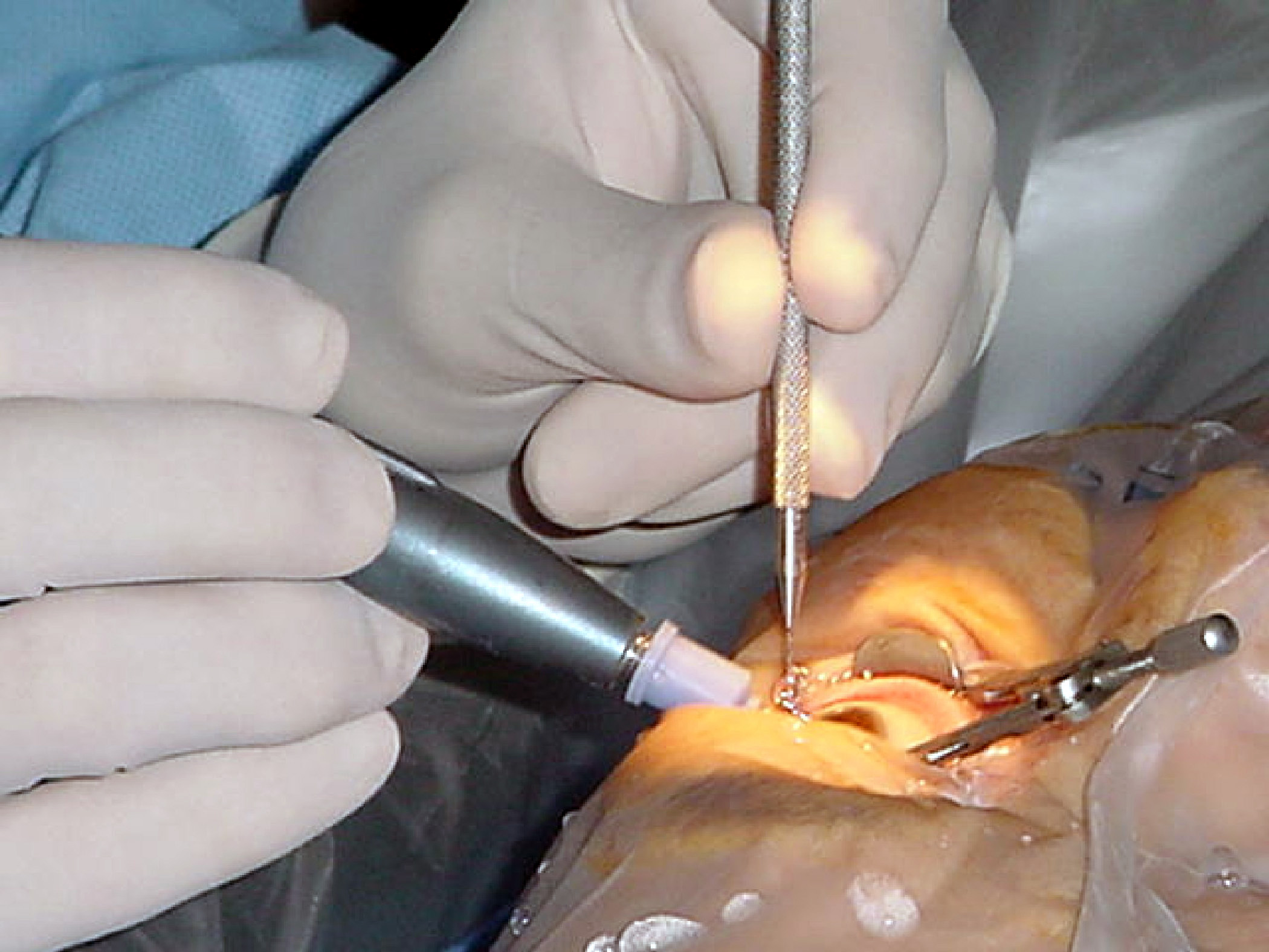
Cataract surgery is the most effective treatment for restoring vision affected by cataracts. The procedure involves removing the cloudy lens and replacing it with an artificial intraocular lens (IOL). Here are some key points about cataract surgery:
- It is typically an outpatient procedure, allowing patients to return home the same day.
- The surgery is usually quick, often taking less than an hour.
- Most patients experience significant improvement in vision within a few days.
For those considering cataract surgery, read more about this topic to gain a deeper understanding of what the procedure entails.
Advanced Intraocular Lenses (IOLs)
One of the most significant advancements in cataract treatment is the development of advanced intraocular lenses. These IOLs offer a range of vision corrections beyond traditional lenses:
- Multifocal IOLs: Designed to provide both near and distance vision, reducing the need for glasses.
- Toric IOLs: Specifically designed for patients with astigmatism, offering improved vision clarity.
- Accommodating IOLs: These lenses adjust focus similarly to the natural lens, providing a broader range of vision.
Learn more in this detailed guide about the different types of IOLs available and their benefits for cataract patients.
Laser-Assisted Cataract Surgery
Laser-assisted cataract surgery represents a technological advancement in the precision and safety of cataract procedures. This technique uses a femtosecond laser to perform several critical steps:
- Creating incisions with high precision.
- Softening the cataract for easier removal.
- Reducing the need for manual blade use.
The precision of laser technology enhances the accuracy of the procedure, potentially improving outcomes and reducing recovery times. Explore further insights here on how laser-assisted surgery is transforming cataract treatment.
Post-Surgery Recovery and Care
Recovery from cataract surgery is typically straightforward, but proper care is essential for optimal results. Here are some post-operative care tips:
- Avoid strenuous activities and heavy lifting for a few weeks.
- Use prescribed eye drops to prevent infection and reduce inflammation.
- Wear protective eyewear to avoid accidental injury to the eye.
Follow-up appointments with an eye care professional are crucial to monitor healing and ensure proper vision restoration. Find additional information here on what to expect during recovery and how to maintain eye health post-surgery.
About the Author