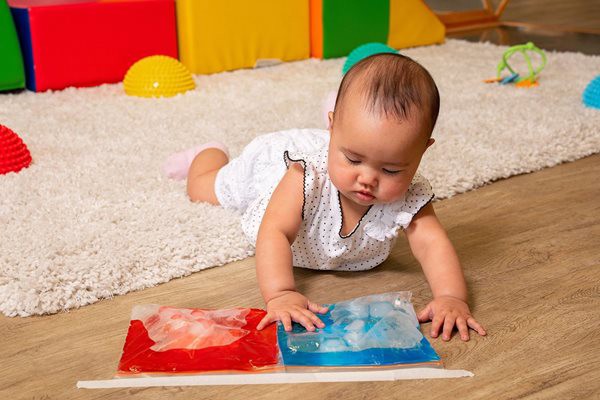
Sensory play is a critical component of early childhood development, offering babies a chance to explore their environment through their senses. Engaging in sensory activities not only aids in cognitive growth but also enhances motor skills, language development, and social interaction. These activities are designed to stimulate a baby’s senses of touch, sight, sound, taste, and smell, fostering curiosity and encouraging exploration. In this article, various engaging sensory play activities for babies will be explored, providing insights into their benefits and how they can be easily incorporated into daily routines.
Understanding Sensory Play
Sensory play is more than just a fun activity; it is an essential part of a child’s growth. It influences brain development by forming connections between nerve cells, improving a child’s ability to complete more complex learning tasks. For parents and caregivers looking to incorporate sensory play into their child’s routine, understanding its significance can help tailor activities that best suit developmental needs. Learn about our tailored solutions for integrating sensory play into daily life.
The Benefits of Sensory Play
- Cognitive Development: Sensory play enhances cognitive skills by engaging a child’s mind in problem-solving scenarios.
- Motor Skills: Activities that involve physical movement help develop both fine and gross motor skills.
- Language Skills: As children describe their sensory experiences, their vocabulary and communication skills expand.
- Social Interaction: Group activities encourage sharing, cooperation, and teamwork among peers.
- Emotional Regulation: Sensory play can be calming and help children manage emotions and stress.
Engaging Sensory Play Activities
Creating sensory play opportunities at home can be simple and cost-effective. Here are a few activities that can be easily set up to engage a baby’s senses:
Texture Exploration
Introduce various textures using everyday materials. Allow babies to explore items such as fabric squares, sponges, or textured balls. This activity encourages tactile development and curiosity. For more detailed guidance on creating tactile experiences, discover expert strategies here.
Water Play
Water play is a versatile activity that can be adapted for babies of different ages. Whether it’s a small basin of water with floating toys or a gentle splash in the bath, water play stimulates touch and sight. This activity is perfect for hot days and can be set up outdoors for an added sensory experience.
Sound Exploration
Create a sound-rich environment using different musical instruments such as drums, shakers, or bells. Babies can also enjoy listening to various genres of music. Sound exploration helps develop auditory skills and can be a soothing activity for many children. Explore advanced guides and tips for incorporating sound in sensory play.
Visual Stimulation
Use bright colors and contrasting patterns to stimulate visual senses. Hanging mobiles, light projectors, or simple homemade toys with contrasting colors can captivate a baby’s attention and enhance visual tracking skills. Find out more about this approach to visual sensory play.
Incorporating Sensory Play into Daily Routines
Integrating sensory play into daily routines does not have to be a daunting task. It can be as simple as involving babies in everyday activities, like allowing them to touch and feel food textures during meal preparation or listening to the sounds of nature during a walk. Consistency is key, and over time, these small activities contribute significantly to a child’s sensory development.
In conclusion, sensory play is a vital aspect of early childhood education, offering countless benefits that support a child’s overall development. By understanding its importance and incorporating engaging activities into daily routines, parents and caregivers can foster a rich learning environment for their babies. For more comprehensive resources and professional advice on sensory play, visit https://www.onlyplay.com.au.
About the Author