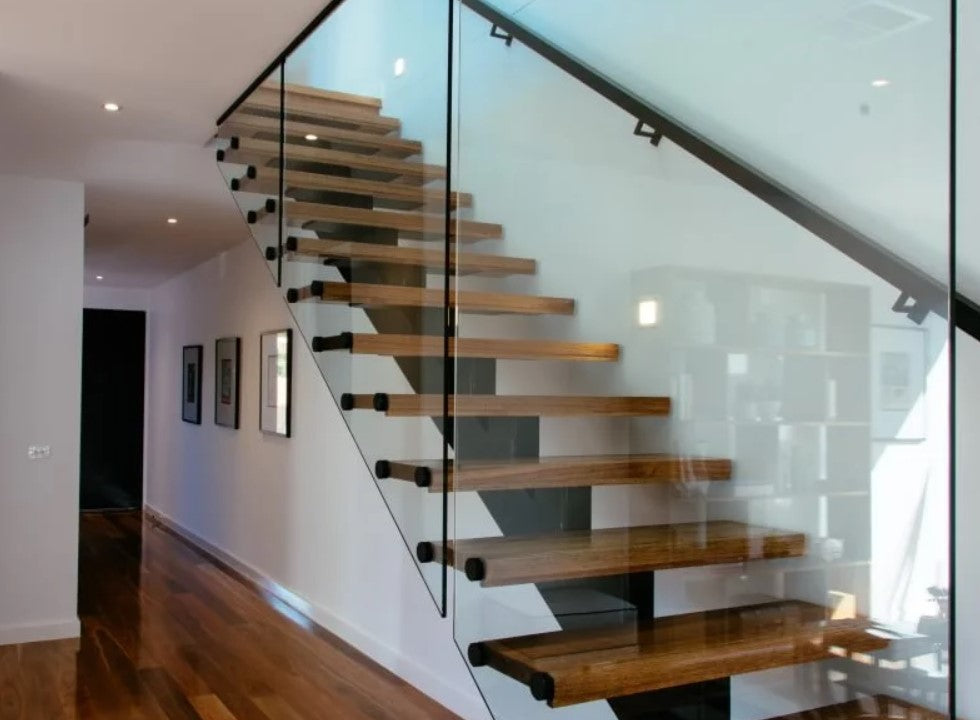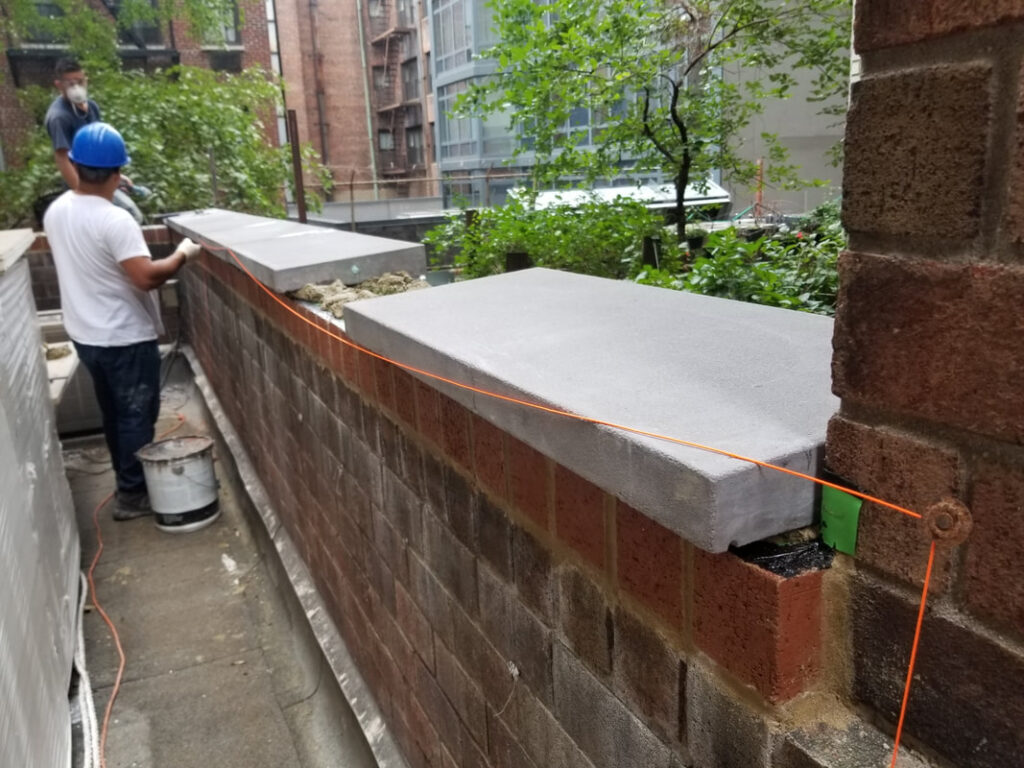
Quality residential construction services are paramount to creating homes that are not only aesthetically pleasing but also structurally sound and functional. As the demand for personalized and sustainable living spaces grows, the construction industry evolves to meet the various needs of clients. Whether it?s a new build or a renovation, understanding the components that contribute to a high-quality residential project is essential. Here, various aspects of quality residential construction services are explored, emphasizing the importance of planning, materials, and technology.
Importance of Planning in Residential Construction
Effective planning forms the backbone of any successful residential construction project. It ensures that all aspects of the project align with the client?s vision while adhering to budgetary and time constraints. Key elements of effective planning include:
- Detailed Project Scope: Clearly defining the project scope prevents misunderstandings and sets clear expectations for all stakeholders.
- Budget Management: Establishing a realistic budget helps in resource allocation and prevents financial overruns.
- Timeline Establishment: Creating a feasible timeline ensures timely project delivery and resource optimization.
- Risk Assessment: Identifying potential risks allows for the development of mitigation strategies, ensuring smoother project progression.
To explore further insights into effective planning in construction, explore further insights here.
Choosing the Right Materials
The selection of materials is a critical component that influences the quality, durability, and sustainability of residential construction. High-quality materials ensure longevity and reduce the need for frequent repairs or replacements. Considerations for selecting the right materials include:
- Durability: Opting for materials that can withstand environmental conditions enhances the lifespan of the construction.
- Sustainability: Using eco-friendly materials helps reduce the environmental impact and can contribute to energy efficiency.
- Aesthetic Appeal: Materials should complement the overall design and style of the home, enhancing its visual appeal.
- Cost-Effectiveness: Balancing quality with cost is crucial to ensure project feasibility without compromising on standards.
Find additional information on selecting construction materials here.
Integration of Technology in Construction
Technology plays an increasingly vital role in enhancing the efficiency and precision of residential construction. From design to execution, technological advancements offer numerous benefits, including:
- 3D Modeling and Design: Advanced modeling tools allow for detailed visualization and modifications before the actual construction begins.
- Automation: Automated processes in construction can reduce human error and speed up project timelines.
- Smart Home Integration: Incorporating smart technologies in home design enhances functionality and energy efficiency.
- Project Management Software: These tools streamline communication, scheduling, and resource management, ensuring cohesive project flow.
Learn more in this detailed guide on the impact of technology in construction here.
Ensuring Quality Control and Compliance
Maintaining quality control and compliance is essential to the success of any residential construction project. Adhering to industry standards and regulations not only ensures safety but also enhances the overall quality of the build. Key strategies include:
- Regular Inspections: Conducting frequent site inspections to monitor work quality and adherence to specifications.
- Compliance with Building Codes: Ensuring all work meets local building codes and regulations to avoid legal issues.
- Quality Assurance Programs: Implementing quality assurance measures to continually assess and improve construction processes.
For a comprehensive understanding of quality control in construction, read more about this topic.
Conclusion
Quality residential construction services are the foundation of creating safe, beautiful, and durable homes. By focusing on thorough planning, selecting the right materials, integrating technology, and ensuring stringent quality control, construction projects can meet and exceed client expectations. As the industry evolves, staying informed and adapting to new methods and technologies will continue to be crucial for achieving excellence in residential construction. Explore further insights into the evolving landscape of residential construction services.
About the Author