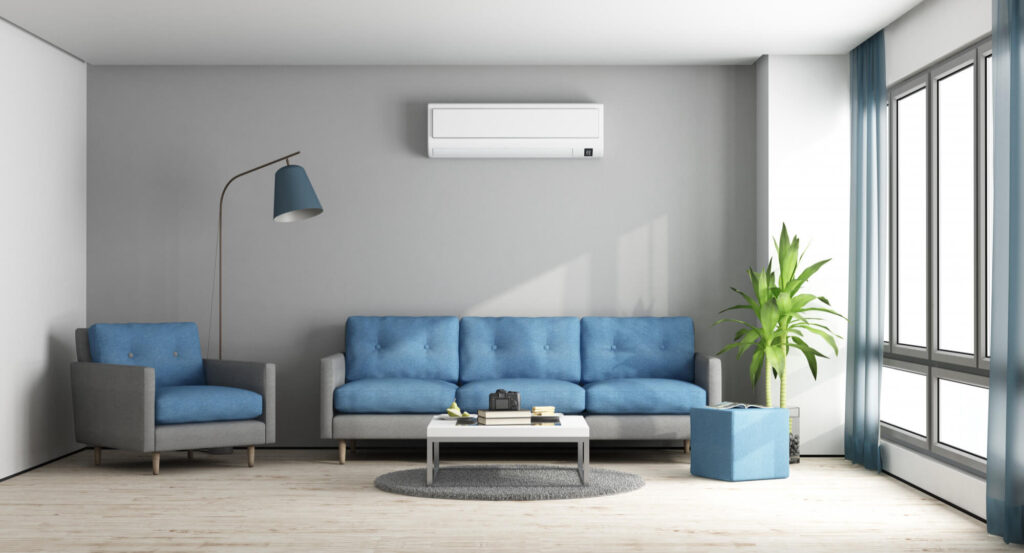
The growing popularity of ductless heating and cooling systems is attributed to their efficiency, flexibility, and ease of installation. As more homeowners and businesses transition to these systems, understanding the nuances of ductless HVAC installation becomes crucial. Proper installation not only optimizes performance but also ensures longevity and reliability. This article provides expert insights and practical tips to guide you through a successful installation process.
Understanding the Basics of Ductless Systems
Before diving into the installation process, it’s important to understand what a ductless heating and cooling system entails. These systems consist of two main components: an indoor air-handling unit and an outdoor compressor. They are connected by a conduit housing the power cable, refrigerant tubing, suction tubing, and a condensate drain.
Advantages of Ductless Systems
- Energy Efficiency: Ductless systems are designed to use less power, providing cost savings on energy bills.
- Flexibility: They can be installed in various spaces, offering both heating and cooling capabilities.
- Improved Air Quality: These systems often include advanced filtration, reducing dust and allergens.
Key Steps to Ensure Successful Installation
A meticulous approach is crucial for ductless hvac installation. Here are the key steps that should be followed:
Site Assessment
- Evaluate the space to determine the optimal location for both indoor and outdoor units.
- Consider factors such as room size, insulation, and the presence of obstacles that might impede airflow.
Choosing the Right System
- Select a system that matches the specific heating and cooling needs of the space.
- Ensure that the capacity of the unit is appropriate for the room size to prevent inefficiency.
Proper Placement
- Install the indoor unit away from direct sunlight and moisture-prone areas.
- The outdoor unit should be placed on a stable surface with adequate clearance for air circulation.
Professional Installation
- Engage a certified technician familiar with local codes and regulations.
- Ensure that all connections are secure and that the electrical system can support the new appliance.
Maintenance and Troubleshooting Tips
Post-installation, maintaining the system is essential to ensure its optimal performance and longevity.
Regular Maintenance
- Clean or replace filters every few months to maintain air quality and system efficiency.
- Inspect and clean the outdoor unit to prevent debris build-up.
Troubleshooting Common Issues
- Unusual noises or reduced airflow may indicate a need for professional inspection.
- Regularly check for refrigerant leaks and have them addressed promptly to avoid system damage.
Understanding these expert tips and strategies for ductless HVAC installation can significantly enhance system performance and durability. Investing time in proper installation and maintenance not only results in a more comfortable environment but also maximizes the benefits of the ductless heating and cooling system.
About the Author